
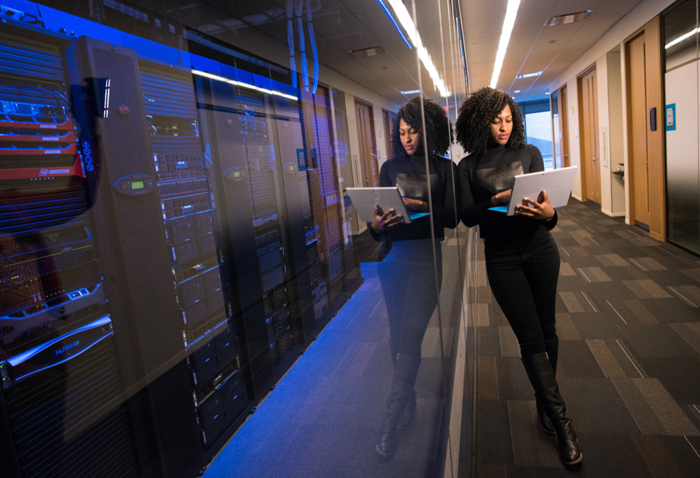
Benefits of Digital Twin Technology

Benefits of Digital Twin Technology to Various Industries

The concept of digital twins is not entirely new. The idea has existed for over two decades since the idea has been there since 2002. While it seems like a futuristic concept, digital twin technology is already being used in the manufacturing industry. However, more and more industries are catching on with the potential of this remarkable innovation. Thanks to the rise and prevalence of the Internet of Things (IoT), we have seen a surge in digital twin technology applications.

But, what are digital twins anyway? Simply put, a digital twin is a virtual model or replica of a physical product or system. It has three main components: the physical item, their virtual representation, and the data that connects the two entities. It was first developed and used by NASA when they wanted to create a solution that will enable them to check up, maintain, update, or repair a machine in outer space. Since they cannot be there physically, they established a virtual model which gathers data in real-time that would allow them to work from where they are.

The Crucial Link Between Digital Twins and the Internet of Things

Digital twins are not mere virtual models in appearance. They also have all the necessary features and functionality of the physical entity they are based on. The tech itself relies on 3D simulation and advanced modelling technology. Still, we need data for it to precisely simulate a real-world asset. So, where does the Internet of Things (IoT) come in in all of this?

Since data is heavily involved in the entire process, IoT is a critical component in the cost-effective applications and usefulness of the digital twin technology. Digital twins gather data through the input from sensors from their physical counterparts. This process is what allows them to simulate a physical entity in real-time. Then, we can get valuable feedback and insights about that object’s performance. Additionally, we get to see potential problems that may arise.

We have seen an increase in active IoT device connections in the past years, and it isn’t slowing down anytime soon. As a result, our use of digital twin technology is expanding and going beyond the manufacturing industry. With the IoT, digital twins are becoming more efficient, effective, and beneficial to many industries worldwide.

Benefits of Digital Twin Technology

Benefits of Digital Twin Technology

What can we take away from digital twin technology? It provides us with valuable information that can help us in decision-making processes. Using digital twins makes it possible for institutions, companies, and industries to develop and improve their products, systems, and services. The integration of digital twin applications will hugely impact many aspects of human life. Here are some of the remarkable benefits of digital twin technology to various industries:

Ability to Create What-If Scenarios

Imagine if we can build what-if scenarios for a product. People then would be able to make strategic decisions according to the data and observations gathered. However, we don’t need to imagine that anymore because it is a reality through digital twins. Since a digital twin is a real-world simulation, it can be used to simulate different what-if scenarios. The resulting analysis would be just like the real thing because digital twins make use of real-world data.

The real benefit here is that there is the freedom to explore real-life actions given a variable set of data without huge costs. People can test proposed changes in existing systems or processes without being worried about the associated risks. Prototypes can be tested, analyzed, and redesigned before their physical counterpart can be created. Creating what-if scenarios benefits multiple industries, such as urban planning, healthcare, and businesses.

Automation of Systems and Processes

Automation is on the rise, and its benefits can be felt by various industries. The abilities of the digital twin technology include automation. With the help of IoT and Artificial Intelligence (AI), digital twins can automate processes based on the data processed through various algorithms.

This is a valuable tool, particularly in the manufacturing industry. By combining various data from software and hardware, digital twins allow experts to update and improve an overall process. A real-life example of this would be Unilever. They are enhancing their operational efficiency through digital twins. The digital twins get their input from the IoT systems from factories, which is then analyzed by an algorithm. The results will circle back to the physical factory, where the manufacturing process will be automated.

Benefits of Digital Twin Technology

Simulate, Monitor, and Manage Complex Systems

Through machine learning algorithms and data inputs, digital twins can simulate any complex ecosystem: from smart cities, telecom networks, and even the human body. For example, a digital twin can simulate a city environment to help city planners analyze different metrics such as traffic flow and electricity consumption. It provides valuable insight on how city planners should utilize land, allocate resources, develop road networks, and more.

Furthermore, digital twin technology is not limited to machinery. Its applications in healthcare provide medical professionals with the necessary data for optimized patient care. Organs can have digital twins, and doctors can use this to predict surgical outcomes.

Final Thoughts

In this blog, we have learned what digital twin technology is, how it works, and how it can benefit multiple industries. The use of the Internet of Things, Artificial Intelligence, and Digital Twins will continue to shape various industries, effectively impacting our everyday lives. As more and more advances and developments arise in the world of the IoT and AI, the scope and applications of the digital twin technology grow along with it.

You can contact us if you have confusions or feedback for our articles. Also, you can follow us to stay updated with the latest technology news.

Different Pillars of Cybersecurity

Understanding the Different Pillars of Cybersecurity to Protect Your Company

No matter what kind of business you run, big or small, you face the threat of hackers infiltrating your data for malicious purposes. What you need is an effective cybersecurity system to ward off such potential threats. You should never take data theft lightly since your enterprise’s valuable data and that of your customers are at high risk, and consequences can be drastic. A data infiltration can make your clients feel their data is no longer safe with your company, thereby seriously affecting your business. What you need is a fool-proof security plan for your data, built on the Pillars of Cybersecurity – technology, people, and processes.

First, we will go through the common types of cyberattacks most businesses experience.

Common Cyberattacks You Need to Know About

Malware

It denotes malicious software, such as viruses, spyware, and ransomware. They can breach your system when any of your employees click on a risky email attachment or link. After entering your system, it can install additional harmful software, secretly extract information from your hard drive, or disrupt your system.

Phishing

It is a common form of cyber threat by which you receive messages through email or other sources. It is done to steal your credit card details or gather your login data for installing malware.

SQL Injection

In this type of attack, hackers insert malicious code into a server, which uses SQL (Structured Query Language). It is done to extract information secretly from the server.

Man in the Middle

By this method, hackers infiltrate into a transaction between two parties. They then install malicious software and steal valuable data. It mostly happens when people use unsecured public Wi-Fi networks.

Different Pillars of Cybersecurity

Understanding the Three Important Pillars of Cybersecurity

Now that we know about the potential cyber threats, we will look in detail at the three pillars of cybersecurity.

People in Your Organization

The people in your enterprise have vital roles to play in your cybersecurity. All your advanced technology will be of no value if your employees do not have the skills to respond to and fight cyber attacks. So, every member part of your cybersecurity program should be given suitable training to employ the technologies and processes used to fight the cyber threat.

Each employee should understand things like why it necessary to fight off cyber threats. They should be able to spot issues that can indicate potential danger, such as unwanted email attachments. Your company should also conduct awareness programmes to make employees aware of such threats. Well-informed employees will be an asset to your organization and will help reduce risks for your business.

Processes and Policies

To fight cyber threats, you should have effective security policies and processes. These policies will indicate how your company will use technological solutions to keep away hackers. You also need to review your processes regularly since cybercrimes keep evolving constantly, and you need to keep up with the new threats.

Technologies Used by Your Organization

After you determine the potential threats your organization can face, the next step to take is to decide what technologies you can employ to mitigate the risks. It implies the hardware and software you will use to fight cyber threats, such as antivirus software and firewalls. You should form a team of experts to identify and assess the risks and set up the right tools to repel any kind of cyber attack.

Your cybersecurity team should install systems that monitor important system files in servers and network devices and take action whenever any suspicious activity is seen. You can also run vulnerability scans that scans your network’s entire systems and identifies weak areas like outdated operating systems. There is also the need for a backup system that will enable you to recover your valuable data in emergencies.

Data infiltration and theft can be a severe setback for your business, from which you will find it difficult to recover. That is why you need a strong defence system based on these pillars of cybersecurity to safeguard your business from malicious people.

Stay current with the most recent business news and take your business to the next level with Top World Business.

Best Email Marketing Tools for Small Businesses

Top Email Marketing Tools for Businesses to Use in 2021

Marketing channels and trends have gone multiple folds of evolution. A few trends stay for a longer duration, and there are a few trends that just wither away in a fluke. One of the trends that have stayed in for years and surely stay in for decades is sure ‘Emails’.

Both B2C and B2B marketers make use of email, as it forms an important part of content marketing. Approximately 87% of the B2B marketers and 77% of the B2C marketers use emails to engage their audience and nurture them. Emails can even amplify the various other marketing channels, especially different social media platforms such as Instagram, Facebook, Linkedin, etc.

However, even currently, marketers have been facing multiple challenges with email marketing, and one of the most prominent challenges they face is the amount of time they have had to dedicate to it. Hence, thanks to technology, we have got some effective tools that have been acting as saviours for marketers.

Here is a list of the top 5 best email marketing tools for small businesses:

HubSpot

HubSpot is the best-known marketing automation platform. They lately launched a free email marketing tool that can support many of the transactional needs that a small business has.

Hubspot is a multipurpose platform that comes to your aid in many of the tasks, from sending kickback emails from lead offers to send the “thank you” emails after the purchase is complete. It can also be used to promote campaigns that are being run. All this comes under the free version of HubSpot Email Marketing. One of the greatest attractions of the free email tool HubSpot is the ease of use and interface. The tool is equipped with a handy drag-and-drop visual editor, and it also comes furnished with some ready-made templates that can be put to use by you immediately.

Once you build an account on HubSpot, you get access to other HubSpot tools to easily create a centralised contact database, organise the database in various lists, and regulate and track email performance.

Best Email Marketing Tools for Small Businesses

Benchmark

Benchmark is an interesting option for businesses looking for email marketing tools that are well designed, reliable, and easy to use.

Benchmark may not be as popular as the other tools, but presently a shift has been seen.

Benchmark does almost everything in a reliable and highly accurate manner, and its services are also kept at a reasonable price. However, Benchmark sets Benchmark apart from the other email marketing tools: Benchmark’s design. The platform is known for the beautiful design of everything from the templates to the interface, and the design is not only good in terms of aesthetic appeal, but it also guarantees a smooth, hassle-free user experience. Many may not consider designing primary criteria, but designs can greatly impact data handling and marketing.

SendPulse

SendPulse promotes itself as a marketing platform that provides a multi-channel platform, but the email marketing tool is its most popular feature. SendPulse comes with a deck load of professionally designed templates of emails that can be easily customised according to the choice using a simple drag-and-drop editor. These customised emails can be automatically sent out at the right time based on the needs of the user, event trigger, or any other criterion.

SendPulse has a subscriber rating feature that provides an excellent way to get to know about your most valuable subscribers. It enables you to analyse the open rates, click rates, and read and unread rates for each subscriber. With the help of this platform, you can even set replaceable text fields that will enable you to personalise your emails by name, gender, age, and job role.

Mailchimp

Mailchimp is a leader in the email marketing tools that you have ever come across. Their free plan is inclusive of such features, which facilitate you to use all basic email marketing features such as the creation of an email and scheduling. The greatest feature that makes it one of the best email marketing tools is its smart recommendations feature. This feature helps you to get some valuable audience insights to augment your marketing efforts.

You are designing emails on this platform even easier due to the availability of the Content Manager. Content Manager helps you store your images, files, and other necessary data that can be easily accessed. In addition, Mailchimp is a platform that lets you automate the emails at crucial steps of the buyer journey. This way, you can easily send out various emails from welcome emails, order confirmations, abandoned cart reminders, and many more.

Best Email Marketing Tools for Small Businesses

MailerLite

MailerLite offers some sophisticated features that include the landing page builder and pop-up customiser. These tools make MailerLite an outstanding choice among the free email marketing tools in the market. Apart from the basics like the drag-and-drop email builder, the mailderLite also comes with a rich text editor and a built-in photo editor, enabling you to create some stunning and attractive emails.

With the help of MailerLite, you can create responsive landing pages and customise them to match the emails you send. This improves the chances of driving conversions. In addition, split tests can be run on different variations of your email to get to know what works best to drive clicks and conversions. The platform also provides a comprehensive campaign report that can trace important stats like click rate, unsubscribe rate, open rate, and more.

You can follow Top World Business to get insights about the latest business news, including Digital Marketing and other important updates.

Wearable Technology: Where Are We Heading? 

Wearable Technology: Small-Sized Disruptive Innovations

The field of wearable technology has been one of the most innovative since the start of this century. Likewise, it also has a promising future with a possibility to disrupt multiple industries like medicine, business, and entertainment. The development of wearable technology has levelled up massively in the last decade. As the name suggests, wearable technology refers to the family of devices that can be worn or implanted on the interior or the exterior of the human body. Likewise, we can also embed some of these devices in clothes, shoes, and other accessories. Some of the examples of wearable technology include smartwatches, fitness trackers, and smart glasses.

Major Characteristics of Wearable Technology

Wearable technology, or simply wearables, features a set of characteristics that is common to most of the applicable devices. Some of these characteristics are:

Small Size

Small size is one of the primary characteristics of wearable technology. The reduction in size has been made possible by the advancements in semiconductor manufacturing technology. There are powerful microprocessors that can fit within the tip of a finger.

Low Power

Wearable devices are powered by small batteries and typically consume very little power. This is especially true for devices that are in direct contact with the human body. Fitness trackers can run for months in normal operations after a single recharge. Some devices requiring heavy processing and transmission might be more power savvy now, but the overall goal for the future is to reduce power consumption.

Wireless Transmission

Wireless data transmission is a key feature of wearable technology. Since they are hands-free and wiring is a major hassle, acquiring data wirelessly is the only viable option. Therefore, they feature inbuilt wireless communication peripherals. The communication may be Bluetooth, WiFi, or NFC (Near Field Communication). However, some wearables like VR headsets are wired but it is less of a hassle since we do not put them on at all times.

Wearable Technology: Where Are We Heading? Major Applications of Wearable Technology

As of now, wearable technology has found major applications in the following fields.

Medical Applications

In the field of medicine, miniature wearables have been able to record and transmit data related to vital body parameters. Blood pressure and ECG monitors are some of the examples of these types of devices. Similarly, widely available wearables like fitness trackers and smartwatches can also present fairly accurate data about burnt calories and heartbeat levels. Furthermore, these devices can track your hours and quality of sleep. Moreover, for people with disabilities, smart aid devices like hearing aids are able to adapt to environmental conditions.

Education

Wearable technology has also found growing popularity in the entertainment industry. For example, we can use augmented reality glasses like the Google Glass for learning through advanced, real-life-like demonstrations. For example, students in the medical field can get close demonstrations of practical skills such as surgeries.

Apparel

Apparel and accessories have also been one of the key application areas of wearable technology. Smart devices embedded inside pieces of jewellery are used for the purpose of personal safety.

The Future of Wearable Technology

The future of wearable technology is looking bright, and it has a very large space for innovation. It offers a great opportunity for individuals and companies to develop new or improve existing designs and methods. According to the experts, the future of wearable technology will bring the following improvements.

Invisibility

In the near future, wearable technology might not be separate from clothes and accessories. The integration will be so seamless that it will be a part of fashion. For example, the clothing might be made of selected materials so that it can measure vital body parameters. Rings and necklaces might hide some intelligent device within them so that they can send alert messages during emergencies.

Energy Efficient

Since energy efficiency is one of the major requirements of wearable technology, the future will surely bring major advancements. These include efficient harvesting of energy from multiple sources. For example, clothing made of miniature solar cells might be able to charge your devices. This is also true for shoes that can extract and store energy while a person is walking.

Highly Accurate

The increase in accuracy will be one of the most important advancements in wearable technologies. The measurement of vital body parameters such as heart rates, glucose and sugar levels, and blood pressure is very critical. For patients with severe diseases, this can be a matter of life and death. On the other hand, people with strict exercise and diet requirements will ask for the best accurate measurements to understand their progress and design future goals.

Authentication Processing

Until now, there are few wearables that can process authentication measures. In the future, your smartwatch might be able to authenticate your payments in a grocery store. Similarly, it might be able to control smart door locks and authenticate entries into sporting events and concerts.

Increased Connectivity

When wearables are connected with other smart devices like home appliances, it is nothing short of magic. For example, your shirt might vibrate after the dish is prepared inside the microwave oven. Similarly, your device will communicate with thermostats and air conditioners to automatically adjust according to the body temperature. Likewise, if you are asleep, it will be able to turn your lights off automatically.

At present, the entry price for such devices, especially for highly accurate ones, is very high. Therefore, there might be a low level of adoption among general people. However, as these improvements come together, the price will decrease and the use cases will skyrocket.

Wearable Technology: Where Are We Heading? 

Stay Updated on Technology with Top World Business

In this blog, we have learned the concept of wearable devices and how they have evolved and improved from the past. Likewise, we discussed the major characteristics and applications of these types of devices. Lastly, we predicted the space for innovation in this highly exciting field and what improvements are likely to come in the future.

If you want to keep close contact with the tech world, Top World Business is a one-stop place for all the technology related news from every corner of the globe. We bring you all the past, present, and future trends and developments in the world of tech. Contact us if you have any further queries.

A New Generation of Accountants – Embracing Automation

A New Generation of Accountants – Embracing Automation

Technological advancements bring about many changes in the accounting profession, however, rather than fearing the new phenomenon, young professionals should embrace this opportunity to redefine their role and value add to their company. Recognizing the importance of technology, back in 2012, 3E Accounting Founder Lawrence Chai set up IT Solution, a technology company under 3E Accounting to provide a comprehensive range of IT solutions and digital marketing to complement the professional services offered to its clients as well as forming the firm’s Digital Research and Development (DR&D) team for leading development in new technological growth areas like robotics process automation (RPA), Machine Learning (ML) and Artificial Intelligence (AI). 3E Accounting’s employees were given the opportunity to support the new technology by redefining their role.


Threat Poses by Automation

With new emerging technologies, tasks previously performed by accountants were replaced by automation. Tedious manual work can be taken over by machines and the machines can handle a larger volume of transactions as compared to humans, machines enable the work process to be efficiently performed and improve the company’s overall productivity.

Advancements in accounting software also reduce the reliance of businesses on accountants. For example, the advancement in cloud-based accounting software makes it easier for small businesses to accurately enter and edit financial information without the help of accountants. Such advancements in technology will replace the work previously performed by accountants and consequently pose a threat to accountants who only perform basic data entry work.


Opportunities Brought by Automation

Instead of opposing the changes automation brings about, young accountants should welcome these advancements as it creates new opportunities for accountants to take on new roles that value add to the company. Accountants should explore their skillsets and consider how it can augment automation.

Accountants should take this chance to step up and perform tasks machines cannot do. While automation can handle routine tasks like bookkeeping and data entry, tasks that involve professional judgement and interpersonal skills are unable to be performed by machines and can only be done by a human. In addition, breakdowns are bound to happen with automation, when this happens, human intervention is needed to step in to rectify the situation. This is not limited to just monitoring the machine’s functions and output, but also to scan for any variation in the business environment.

By finding an ideal function or role within the profession, one can excel in times of automation by focusing on that particular role. Furthermore, accountants should make use of this time to develop their own automation tools by riding on the rapid advancements in machine learning (ML) and artificial learning (AI). For example, a new auditing concept – continuous auditing was developed. With continuous auditing, the technology will monitor the company’s transactions and compare it to the benchmark and identify any anomalous events. Alarms will be triggered and route the anomalous events to accountants for further evaluation and solution. With this, accountants do not have to do the monitoring work as it will be performed by the technology, accountants will play the role of using their professional judgement to select the suitable technologies to build resilient audit processes that meet the intended audit objectives.
A New Generation of Accountants – Embracing Automation


3E Accounting Using Automation to Their Advantage

To go along with the growth of technology, a digital master plan was developed by 3E Accounting’s DR&D team to map out the business’s digital transformation. Within 15 months since the DR&D team was formed, the team successfully completed the digital transformation of 3E Accounting and all services offered by 3E Accounting can be fully processed digitally.

Progressing ahead, 3E Accounting’s goal is to build intelligent robots to perform tasks and work with human co-workers to improve productivity and enhanced value creation for both 3E Accounting’s internal and external stakeholders. 3E Accounting has already successfully developed Financial Report Robot and Robotic Process Automation (RPA) Robot and is currently in the process of completing a Tax Robot and Bookkeeping Robot with the Tax Robot officially launching in 2021 and the Bookkeeping Robot targeted to complete by 2022.

The development of robots help save up to 90% of time spent on tasks and with these AI technology, a 99% increase in 3E Accounting’s productivity is expected. For example, with the customized RPA robot, repetitive tasks involving retrieving data and forms are automated, and the process is programmed to be effectively accurate in selecting the correct data such as the correct Year of Assessment and solving Captcha without any human intervention. The Financial Report robot is programmed to pick up data in different formats and analyze, learn and verify the data to generate financial statements in accordance with the appropriate standards.

By using Artificial Intelligence (AI) and machine learning (ML) to perform the mundane tasks, 3E Accounting’s accountants are able to leverage on the technologies to gain deeper insights and focus on value-added activities such as financial advisory work. For example, as there is no need for 3E Accounting’s accountants to generate the financial statements with the deployment of the Financial Report robot, 3E Accounting’s accountants can focus on analyzing data to discover ways for clients to improve their business.


The Future Accountants

With automation reimagining, the work of accountants in the future, accountants need to capitalize on the automation’s accompanying opportunities to stay essential for businesses. Beyond that, accountants need to consistently upgrade their skills to remain relevant given the rapid developments in technology. Young professionals can also explore areas they can step in facing increasing demand, such as the area of continuous audit and forensic analysis. Ultimately, accountants should not fear automation but embrace it positively.

Top Technology Trends for Businesses in 2020 

Explaining the Top Technology Trends for Businesses in 2020

Over the last few decades, technology has become the most important factor in the survival and growth of businesses. Today, it is very difficult for businesses to acquire and retain customers without the help of digital technologies. Similarly, the digital transformation of businesses is a worldwide phenomenon and without proper knowledge and resources, it is difficult to succeed in this new environment. Large and successful companies always try to be on top of the key technology trends for businesses. They spend billions of dollars on the most competitive manpower, research, and development.

If you are a business owner in 2020, you should look out for the key technology trends for businesses that we talk about in the following section.

Technology Trends for Businesses in 2020

From the days of basic computing components like transistors in the middle of the 20th century, technology has come a long way.  The exponential advancement of computing hardware since then has opened a never-before-seen world of possibilities. Some of the most commonly used mobile phones today have the computing power of the machines that sent the first man to the moon. Furthermore, supercomputers have been able to perform computations that are almost impossible for humans and commonly used personal computers. Moreover, the prospect of quantum computing is looming large on the horizon. Quantum computers go above and beyond the normal human understanding of what is possible and what is not.

Meanwhile, this exponential advancement of hardware has allowed the development of advanced software. From the days of punching machines input to the new age of gesture recognition, there have been incredible leaps. The development of operating systems and graphical user interfaces made computers usable for all. Then, we witnessed a technology that was to change the course of human history: the internet.  Today, the Internet is a must-have technology for all industries and demographics today. We cannot fathom how much information there is on the Internet today.

This rapid course of technological development is showing no signs of slowing down. During this decade too, we witnessed life-changing technologies for all applications. In 2020, we think these are the key technology trends for businesses.

Artificial Intelligence (AI)

Over the last decade, artificial intelligence has found its way out of advanced labs and into multiple applications. There has been increasing adoption of artificial intelligence in business. This is because AI has the power to derive important insights from a large amount of data which can be difficult for humans. Some of the examples of applications of AI in businesses are:

Marketing and Sales: In marketing and sales, AI-powered recommender systems have been widely used. Most of the successful companies are using this technology to provide a personalized experience for their customers depending on their behaviour. Similarly, AI has the ability to understand trends and make predictions of customer taste and help in decision making. Furthermore, language recognition can analyze customer sentiments and make recommendations for improvement.

Business Operations: There are a lot of AI-powered applications that assist in business operations and management. For example, smart personal assistants like Siri, Cortana, and Google Assistant can carry out simple tasks on voice command. Likewise, process automation is also a result of the integration of AI. Similarly, email classification and spam filters can be designed using AI. Furthermore, there is a growing use of chatbots for automated interaction and response. Top Technology Trends for Businesses in 2020 

Internet of Things (IoT)

Internet of Things (IoT) is one of the most impactful technology trends for businesses in 2020. The advanced development of miniature, powerful devices has allowed us to monitor and interact with several appliances and machines. For example, a refrigerator with a smart transmitter chip can notify you when the stock of your food is below a predefined level. In industries, all the large machines can be monitored from a remote location. There are many ways for businesses to harness the possibilities of IoT for their competitive advantage. Some of the most common applications include:

Inventory Management: Inventory Management is one of the most effective applications of IoT. Scanners and detectors can be used in storage locations to record the data of available stock. A smart transmitter chip can transfer this data to a central server where it is safely stored in a database.

Supply Chain Management: IoT-enabled customers can provide real-time progress in the supply chain process. They can tell you the location of a product being shipped so that there is no threat of breaches and interceptions. For goods that require a controlled environment like vaccines in a cold chain, it can help you understand the real-time situation.

Monitoring and Control: With the power of IoT, industrial machines can be remotely monitored and controlled. Furthermore, AI and machine learning can be used to learn the best operating parameters for the machines so that there is minimum energy consumption and maximum efficiency.

5G

5G, or the fifth generation of cellular networks, will change the course of data communication. It supports a data rate of up to tens of gigabits per second which means there is a very low lag and delay. The development of the Internet of Things (IoT) also depends on the communication technologies that it is based upon. 5G will enhance the near real-time communication capabilities which means businesses can get a sense of what is practically going on right now. The most common applications include:

Near Real-Time Communication: For modern businesses, time is a very critical factor. They need to make rapid decisions and adaptations every day due to changing customer demands. Furthermore, for multinational companies, delays, and lags in communications lead to decreased productivity.

Work Collaboration: Real-time collaboration is a growing practice among a large number of businesses spanning across multiple industries. In design and manufacturing, people in multiple locations might have to inspect and discuss the products and services to be offered.

Remote Work and Outsourcing: The coronavirus pandemic in 2020 has made companies think about the prospect of remote work. 5G will improve data rates which means remote workers will be able to carry out their tasks smoothly. Likewise, online meets can hold more people than it is currently possible without degradation of quality. Moreover, outsourcing and communication with remote part-time employees are also possible with 5G.

Virtual Reality and Augmented Reality

Virtual reality and augmented reality are also some of the important trends for businesses in 2020. It provides innovative solutions in user interaction and marketing of products. These technologies are most commonly used in media, entertainment, and tourism. Furthermore, augmented reality is finding its way into education and design. Some of the common applications of these technologies are:

Enhanced User Interaction: With AR and VR technologies, users can interact with digital environments or digital elements in real environments. The most common use cases are in gaming, tourism, and education.

Retails: Retail companies are offering virtual try-on features that allow customers to virtually try on a product before buying. For example, furniture and interior design companies use AR to help customers project their choices in their rooms before buying. Similarly, people can see how glasses, jewellery, and clothes look on them with a smart mirror.

In addition to these common technology trends for businesses in 2020, other trends include the adoption of enhanced data security measures and creating a personalized experience for every customer. Top Technology Trends for Businesses in 2020 

Big Data and Data Analytics

Today, there are billions of transactions and interactions taking place in the world at the same time. This gives rise to an enormous volume of data that is out of normal human understanding. This data has both unwanted and useful parts. Understanding this data and processing it for deriving insights is the power of big data technologies. It has a wide range of applications in businesses and some of them are:

Understanding Customer Behaviour: There are billions of interactions where customers are viewing and buying products and services. This data can be used by businesses to understand their behaviour and recommend products they are likely to buy. Furthermore, this data also provides insights on what the business must prioritize to maximize their profits.

Competitor Analysis: Big data and data analytics can help you understand the offerings of your competitors. This means you can set prices for your products so that it is the most attractive.

Conclusion

In this blog, we have learned about the key technology trends for businesses in 2020. Likewise, we understood the major applications of these technologies to provide a better customer experience and gain valuable insights. Any business that wishes to prosper in this competitive climate must have a clear understanding of technological trends.

Technology news must be a top priority if you want to learn about the current state of the market and its possible evolution. As a highly reputed source of technology-related news, we at Top World Business make sure that you stay updated on the latest trends and receive the correct information. In this fast-changing world, we make sure that you won’t miss a high potential investment.

Simple Steps to Improve Your Internet Speed

Technology Tips: Simple Steps to Improve Your Internet Speed

Slow internet is one of the most frustrating things of our time. When Netflix is buffering continuously or when the email takes too long to load, you are never in a good mood. However, there are tons of free, simple steps to improve your internet speed. Since not all of us are networking specialists, it is very easy to get drowned in a plethora of genuine and fake information.

Major Factors Affecting Internet Speed

Before we dive deep into the simple steps to improve your internet speed, it is important to understand what factors affect it. Some of the major factors are:

Networking Hardware

When you go down to the primitive level, the Internet is all about sending and receiving data from all over the world. On the basic level, it refers to the transmission of electrical signals, both in wires and in space. Therefore, it is obvious that the ability to transmit signals depends on networking hardware. If you have a high-end router, you make the most of your ISP-allowed bandwidth. In contrast, an old router can slow things down and cannot promise all of what your ISP provides. Furthermore, your own computer should also be fast enough to process incoming and outgoing data.

Besides, if you are using wireless internet or WiFi, you should keep track of more things. Your speed may vary according to the location of your router. Likewise, the number of connected users also affects the internet speed on your device.

Number of Activities

It is obvious that the number of activities on the network affects your Internet speed. If there are several users streaming high-definition videos, you will experience a slow connection. The same is true, while multiple users are online gaming or videoconferencing.

Interference and Obstacles

The modern Internet, most commonly the WiFi, works on the principles of wireless communication. Since electromagnetic waves are being transmitted, they can experience interference and obstacles. Concrete walls, doors, and floors can affect the transmission of such waves. Likewise, the presence of electrical appliances like microwaves also affects signal strength.

Software

While you may not notice them, several apps are running in the background and connecting to the Internet at the same time. If you install more resource-intensive applications, you may experience a slow Internet speed. Furthermore, since you use the Internet through a web browser, the quality of the browser is also a major factor. Moreover, look out for the add-ons and toolbars that you keep inside your browser. Since they also grab a part of your bandwidth, use them only when necessary.

Viruses and Malware

Viruses and malware are harmful programs that not only affect your Internet speed but the computer’s overall health. Since they can massively drain your computer’s resources, you must employ robust prevention measures. Installing an antivirus program is a good practice for a start.Simple Steps to Improve Your Internet Speed

Ways To Improve Your Internet Speed

Now that we have understood the major influencing factors, we can move on to understanding the simple measures to improve your internet speed. The following are the simple steps to improve your internet speed.

Router Reset

Resetting your router is one of the simplest steps to improve your internet speed. It is also a technique that gets thrown around quite a bit. However, this technique is effective because it resets router memory and establishes a fresh connection with the ISP. Likewise, it will carry out all the necessary updates that are pending. While resetting your router, it is important that you do not do a factory reset. This is because a factory reset will erase all the important settings set up during the initial connection. You can simply disconnect the device from the power source and reconnect it after a while.

Channel Allocation

Allocating multiple channels is quite a popular technique to improve your Internet speed. If you have a modern router that supports 2.5 GHz and 5 GHz channels, you can manage them appropriately for optimized performance. For devices in a shorter distance from the router, you can use the 5Ghz channel whereas for those in longer ranges, use the 2.5 GHz channel. This will decrease the load on the single-channel and make the best use of available resources. Furthermore, some routers come with an automatic allocation feature that can provide an optimum channel according to the device’s needs. If this feature is not available, you can manually configure it through the router settings.

Device and Activity Management

According to their activity, managing connected devices can be a great way to improve your internet speed. Resource-intensive activities like gaming and video streaming require larger bandwidth compared to simple browsing. Use the following tips to better manage connected devices within your network.

Sometimes, there might be unidentified devices that might have entered through an unauthorized breach. Remove all those sorts of devices. If you have a weak password, replace it with a strong one. In case of a continuous breach, you have the option to ban the MAC address.

Allocate larger bandwidth for devices used for gaming, streaming, and video conferencing. For devices that carry out simple browsing tasks, lower bandwidth is fine.

Restricting usage for children is also an effective method to save up on some bandwidth.

Router Reposition

Repositioning your router also helps improve your internet speed, particularly for wireless connections. Since most of the Internet being used nowadays is WiFi, the distance between the router and the device is an important factor. Similarly, since the data is being transmitted as electromagnetic waves, it is subject to interference and obstacles. Proper positioning of your router can be an effective way to provide fast transmission throughout your house. As a rule of thumb, you can put your router in the middle of the room in which you work or stay most of the time.

Use Ethernet When Possible

We know that Ethernet is quite uncomfortable when you are using portable computers like laptops. However, whenever possible, using Ethernet can be a great technique to obtain a rapid transmission rate. Since devices like desktop computers, televisions, and gaming consoles typically stay at the same place, connecting them to Ethernet is feasible. If you do not want long wires throughout your house, keep these types of devices close to the router.

Use Adblocks

Digital ads are some of the most frustrating parts of the online space. This includes unnecessary pop-ups, images, and auto-playing videos. However, since they are moneymakers for website owners, we can’t really do much about it. Likewise, these ads bring irritation to the viewers and eat up a significant amount of your available bandwidth. Most of the modern browsers employ ad-blocking plugins that prevent them from loading with the website.

Manage Your Software Ecosystem

We have already discussed that several apps running in the background simultaneously connect with the Internet. It is not a good idea to install tons of unnecessary apps and plugins on your computer. This can slow down both the Internet and computer speed. Modern operating systems like Windows have tools that can help you assess your network usage. Likewise, you can inspect what applications are grabbing a huge chunk of the available bandwidth. If they are unnecessary, you can turn them off. Simple Steps to Improve Your Internet Speed

Virus and Malware Protection

Viruses and malware carry out unauthorized activities on your computer and sometimes cause fatal damage. Likewise, they can seriously degrade the internet speed with their destructive programs. Therefore, using antivirus and antimalware software is a good practice for all types of users. Furthermore, maintain frequent scanning for viruses and malware and install all the necessary security updates.

Opt For a Better Speed

If you are still experiencing slow Internet speed after all these measures, opt for a better speed with your ISP. There are a number of plans and offerings designed by multiple ISPs. Look out for other users and ask them about their experience. If you think a slower internet is slowing you down, it might be a worthy investment.

Conclusion

In this blog, we have learned about the major steps to improve your internet speed. Likewise, we also talked about the major factors affecting your internet speed. There are several free tools that you can use to test your connection speed. Some of the most commonly used ones are Speedtest.Net, SpeedSmart Speed Test, Xfinity Speed Test, and Internet Health Test.

Technology news must be a top priority if you want to learn about the current state of the market and its possible evolution. As a highly reputed source of technology-related news, we at Top World Business make sure that you stay updated on the latest trends and receive the correct information. In this fast-changing world, we make sure that you won’t miss a high potential investment.

The Differences Between Augmented Reality and Virtual Reality

Understanding the Differences Between Augmented Reality and Virtual Reality

The topic of augmented reality and virtual reality is a hot topic of discussion nowadays. These two technologies are an exciting prospect and are under the eyes of big tech companies. They are pouring billions of dollars into research and development, and we have already seen some big developments and real-world applications. Before we dive deep into the differences between augmented reality and virtual reality, let us learn about their basics.

Augmented Reality

Augmented reality refers to the concept of integrating digital elements into real environments. Devices like Microsoft HoloLens and smart glasses let you see digital images projected in front of you in a real environment. Unlike virtual reality, you do not immerse yourself in a completely digital environment. Similarly, you can move freely whenever you are interacting with digital objects. For example, Pokemon Go, which became an instant hit, could use your phone’s camera to look over your environment and project a Pokemon on your screen. Likewise, Microsoft HoloLens can pick out information about a coffee shop from Maps and project it in front of you while standing in front of the shop.

Virtual Reality

Virtual reality is a different phenomenon. When you put on a VR headset, you immerse into a completely new, digital environment. For example, in VR games, you will most likely play in a first-person view of the game character interacting with the surrounding with your body. Since most of these headsets are totally opaque, you will not have any sense of your real surroundings. This is why you cannot move freely while wearing a VR headset. The HTC Vive, Oculus Rift, Samsung Gear VR, Playstation VR, and Google Daydream are some of the most popular VR headsets in the world.The Differences Between Augmented Reality and Virtual Reality

Brief History

The history of augmented reality and virtual reality dates back to the nineteenth century when Charles Wheatstone invented the stereoscope. This device could project a 3D image that could be seen by the human eye. Likewise, a VR head-mounted display or an HMD was created in 1968. Today, these technologies have found their way out of the labs into common customer applications. Some of the reasons are:

  • The overall development of digital computation technology based on the rapid advancement in the microprocessor fabrication process.
  • Sensors and processors are getting smaller while simultaneously getting more powerful. This enables them to be embedded in compact-sized devices like head mounts and glasses.
  • The rapid development of the open-source software ecosystem allowed millions of developers to work for the common good.
  • Availability of many frameworks and applications that make the development of AR and VR apps quick and convenient.

Differences Between Augmented Reality and Virtual Reality

Now that we have learned the basics of augmented reality and virtual reality let us understand their differences in working, applications, advantages, and disadvantages.

Working

One of the major differences between augmented reality and virtual reality is in their working. Augmented reality works based on advanced algorithms of computer vision, mapping, and depth tracking. Likewise, it projects digital images and 3D objects into your real surroundings, making them look like a part of the real world. The AR device must process the appropriate location before projecting digital elements. For example, when you are trying to assess how a piece of furniture looks in your room, your camera must face an empty floor inside a room. The AR system must be able to process new frames fast enough so that the experience is not discontinuous. Modern mobile and desktop devices have decent enough processing power to support this feature.

On the other hand, virtual reality aims to provide a realistic and completely immersive digital experience. The VR headset sets up two screens, one for each eye, which prevents any real-world interaction. The automatically focusing lens adjust themselves based on eye movement and positioning. Likewise, high-end headsets like the Oculus Rift, the HTC Vive, and PlayStation VR contains external cameras and head-tracking sensors. Most importantly, the device must be able to provide a consistent frame rate of about 60 fps and a wide-angle of about 100 degrees. Any sort of latency which is the delay between user interaction and screen output, can cause dizziness in the user.

Application

Application Areas of AR

One of the key differences between augmented reality and virtual reality lies in their applications. Augmented reality can be used in the following industries:

Education: AR-powered applications are finding applications in multiple areas of education. Most common examples include medical education, where learners can view a detailed description of the human body. Similarly, it is also being used in the early education of children so that they can develop a better sense of understanding from better visualizations.

Retail: One of the successful implementations of AR is in retail. People are trying and testing hundreds of products within a few minutes. This is most common in interior designs and furniture where people can see how furniture and paints look in their rooms. Furthermore, fashion companies are bringing virtual try on for sneakers, glasses, and clothes which gives customers a wide range of choices for testing and trying. This is also becoming a way for companies to stand out from their competitors.

Tourism: AR-powered applications have greatly influenced the tourism industry. People can see relevant information about different tourism spots with their own eyes and with minimal effort. Travel companies are rushing to develop the best products and services in this space to stand out from the competition.

Gaming: AR games have been quite successful in implementation. Pokemon Go saw a worldwide craze that was not expected even by their developers. This means there is great potential for the gaming industry to give something that is totally different from what we have until now.The Differences Between Augmented Reality and Virtual Reality

Application Areas of VR

On the other hand, VR is also finding its use in similar fields but for different applications.

Military: VR is being used in multiple entities of the military to simulate a wide range of situations. This includes combat operations, search and rescue, medical operations, and flight operations. Similarly, they are also being used in simulators to train the new generation of pilots. Furthermore, Virtual Reality Exposure Therapy (VRET) helps traumatized soldiers to adjust and relax in normal life situations.

Films: VR movies are a sensation nowadays because it has the ability to put anyone inside the film settings. This is a never-before-seen experience that has the potential to revolutionize the industry.

Education: With VR-assisted learning, students can experience classroom concepts in front of their eyes. This can be a tour of the planet Pluto or the rainforests of Amazon. Similarly, it is helping children with special needs to adjust to social life situations.

Gaming: Tech companies are spending billions on the development of VR gaming hardware and software. Even though the tech is too costly to be common now, it is sure to make giant leaps in the future.

Advantages and Disadvantages

Finally, we differentiate between augmented reality and virtual reality based on their merits and demerits.

Advantages of AR

  • Enhanced learning experience
  • Gain relevant information with very little hand interaction
  • Wide range of use cases in multiple industries
  • Point of difference for marketers and companies
  • Hundreds of choices for trying and testing for customers

Disadvantages of AR

  • Technology is still very expensive because of the hardware.
  • Slow frame rates and lags can cause irritation.
  • Decreased activity among people.
  • Not all devices have readily available support.

Advantages of VR

  • Immersive learning experience.
  • Training for hundreds of situations.
  • Reduced costs for military and medical training and education.
  • An attractive feature for gaming and entertainment companies.
  • Enhanced customer experience as a great marketing tool for companies.

Disadvantages of AR

  • Technology is still very expensive because of the hardware.
  • Lags and delays between human interaction and screen response can cause dizziness and headaches.
  • Continuous exposure to the screen can cause eye problems and headaches.
  • Less interaction with real people and the environment.
  • Low guarantee of working flawlessly in all situations and devices.

Conclusion

In this blog, we have learned about the key differences between augmented reality and virtual reality in terms of their basic concepts, working, applications, advantages, and disadvantages. If there is one thing we want you to understand from this article, it is that now is the time to incorporate these technologies into your business. As the cost of hardware and software goes down, we will see an increasing adoption throughout the world.

Technology news must be a top priority if you want to learn about the current state of the market and its possible evolution. As a highly reputed source of technology-related news, we at Top World Business make sure that you stay updated on the latest trends and receive the correct information. In this fast-changing world, we make sure that you won’t miss a high potential investment.

New Tech Milestones in 2030 to Look Forward to

New Tech Milestones in 2030 to Look Forward to By Individuals and Businesses

Before diving deep into the tech milestones in 2030, let us understand the basics and how we got here.

Introduction

It is an undeniable fact that over the past 50 years, technology has made incredible progress. Still, it is showing no signs of slowing down. In the next 10 years, we will see things that we could not even imagine during the start or the mid of the twentieth century. Having knowledge about tech milestones in 2030 is important for general people, businesses, and the government. For general people, it is important to understand how these milestones will change human lives and revolutionize the workforce. Similarly, businesses need to stay on top of this knowledge to survive in a fiercely competitive climate. For governments, it is key in the preparation of new policies and strategies regarding employment, digitization, and national security.

How Far Have We Come?

Before diving deep into the new tech milestones in 2030, we must understand how far we have come and why. Even though humans created and learned to use technology thousands of years ago, we will mostly focus on the developments over the last 50 to 70 years. During the last 50 to 70 years, we witnessed two key technological developments that would open the floodgates of possibilities and innovation in any industry or discipline. These two technologies are digital computers and the Internet. We can summarize the rapid advancement of technology in the following points:

  • The development of transistors in 1948 is the foundation for the advanced computing machines that we see in use today. We saw the development of the first Integrated Circuits (ICs) in 1957. In 1971, the first microprocessor called the Intel 4004 came into existence. Today, we have a pocket-sized microprocessor containing more than 50 billion transistors. Furthermore, this decrease in size coupled with an increase in ability has given rise to hundreds of other types of devices. A nail-sized storage chip can store as much data as hundreds of buildings could store in the 1960s. Likewise, the smartphones that we use today have more computing power than the machines that sent the first humans to space.
  • In 1962, there came the first idea of a global computer network at MIT. In 1969, a wide-area network called the ARPANET was developed. Similarly, in 1973, a protocol for connecting multiple networks was developed which later became the famous TCP/IP. In 1981, we saw the development of the Ethernet, which established Local Area Networks. Likewise, in 1985, the first domain name is registered. In 1990, Tim Berners-Lee developed the World Wide Web, which is the basis of the modern Internet. Today, there are billions of users interacting and communicating with each other anywhere in the world at data rates of gigabits per second. Signals are transmitted in space as electromagnetic waves or in fiber optic cables as light pulses.
  • Technologies like artificial intelligence, machine learning, and robotics only existed inside the labs of universities and government research facilities. Today, a huge segment of machine learning and AI is accessible to anyone. Even without a powerful computer, one can understand and apply resource-intensive algorithms and applications in the cloud. Robots have been extremely important in manufacturing and production. Self-driving cars are undergoing a rapid transformation into near-full automation.
  • We have also seen giant leaps in the field of software. From the early days of punching machines and command-line interfaces to modern GUI, voice, and gesture recognition systems, we have come a long way. Similarly, the development of open-source software has brought worldwide innovation to a single place.
  • Data has been one of the most important entities in the 21st century. Individuals, businesses, and governments have been able to process enormous amounts of data and derive important insights. Businesses do not depend on guesses and choices anymore. Several important decisions in businesses and governments come from understanding the data.New Tech Milestones in 2030 to Look Forward to

Tech Milestones in 2030

Now that we have understood the basis of rapid technological advancement over the past 50 to 70 years, let us look forward. The following are the key tech milestones in 2030 to look forward to:

Trillions of Sensors Connected to the Internet

One of the key tech milestones in 2030 is that the Internet of Things (IoT) will find millions of applications in several industries. Because of their miniature size and power consumption, these devices will integrate seamlessly with any machines and appliances. For example, medical sensors will provide near real-time status of patients in thousands of hospitals throughout the world. Likewise, billions of sensors will be used in industrial manufacturing, automation, and supply chain management. Agriculture is also a hotspot for the application of IoT devices as artificial farms are growing in number. Furthermore, businesses will install billions of sensors to understand customer behaviour. Moreover, governments will build enormous sensor networks for the purpose of service and security.

Additive Manufacturing Will Revolutionize Industries

Additive manufacturing processes such as 3D printing have already become a common technology in many different industries. Similarly, individuals have been able to design and print desired 3D shapes. Additive manufacturing is different from traditional manufacturing. In traditional manufacturing, blocks of material are cut into desirable shapes. This causes a huge loss of materials. With additive manufacturing, shapes are made from the bottom up. A 3D printer will pour printable material in coordinates defined by the digital model. This minimizes production waste, which is a deep concern for every industry today.

Blockchain Will Power The Next Generation of Financial Transactions

Blockchain refers to a shared, public ledger that is not under centralized control. As of 2020, some financial transactions like land and securities of private companies are done using this technology. As its accessibility increases to multiple domains, its usability will also explode. Since it contains highly accurate information with high security against breaches and fraud, common people will start using it. Similarly, governments will use blockchain to collect taxes.

Nano-sized Robots Will Live Inside Your Body

Nano-sized robots or nanobots are also one of the most promising tech milestones in 2030 in the field of medicine. They can flow inside your blood at a molecular level and prevent you from getting sick. Nanoscale manufacturing technologies have already come out of advanced labs into industrial applications. DNA robots are already being used in animals for finding and destroying cancer cells. These bots can carry necessary drugs and nutrients and deliver them at highly precise locations. Even if this sounds highly stretched, the technology is not too far. If human trials go well-planned and produce positive results, there is a high possibility of common application within this decade.

Artificial Intelligence Will Become More Common

Artificial intelligence became one of the most attractive technologies over the last decade. In the next 10 years, it is still going to be a buzzword. Today, we are quite conservative about the harmful effects of AI and thus restrict it in many parts of businesses. However, it is predicted that AI will be an important part of decision making in organizations. This is because there are several high-profile jobs that can still be automated. Furthermore, the natural language processing abilities of AI will be used in reading contracts and documents. Moreover, it will also be used for the purpose of auditing and verifications.

The Number of Internet Users Will Grow

One of the obvious tech milestones in 2030 is that the number of internet users will massively grow. As of now, about half of the world’s population is still deprived of proper, regular internet access. This is due to the difficulty in setting up infrastructures in high and uneven terrain. However, alternative ways of providing Internet services like satellites and balloons are undergoing massive developments.  Furthermore, governments have understood the importance of the Internet and are investing heavily to increase the reach among their people.

Driverless Cars Will Be More Common

As of 2020, driverless cars are not fully flawless and stay under the close monitoring of humans. However,  we have to keep a close eye on this as one of the major tech milestones in 2030. Companies like Tesla have already achieved advanced levels of automation in different types of settings. Similarly, companies like Apple and Google are entering into this industry. Over the next 10 years, the development of self-driving hardware and knowledge-sharing platforms for cars will explode their usability.New Tech Milestones in 2030 to Look Forward to

Environment-friendly Technology

Environment-friendliness will also be a major factor of tech milestones in 2030. We will witness more use of non-harmful materials and appliances.  Governments in both developed and developing countries have developed policies to make environment-friendliness a crucial investment. The nature of the modern buyer also forces large companies to make the change before it is too late.

Use of Sharing Platforms Will Grow

As we have already seen with Uber and Airbnb, resource sharing platforms will likely develop continuously and become one of the prominent tech milestones in 2030. People are growing conscious of the unnecessary possession of unwanted resources while there is a more efficient available option.

Conclusion

In this blog, we have learned about the major tech milestones in 2030 to look forward to. This knowledge is very important for individuals, businesses, and organizations who wish to succeed in this rapidly changing technological climate.

Technology news must be a top priority if you want to learn about the current state of the market and its possible evolution. As a highly reputed source of technology-related news, we at Top World Business make sure that you stay updated on the latest trends and receive the correct information. In this fast-changing world, we make sure that you won’t miss a high potential investment.

New Hacking Methods and How to Avoid Them 

New Hacking Methods and How to Avoid Them

Before learning about the new hacking methods and how to avoid them, let us learn what a hacker is and how they are classified according to their doings.

Introduction

The Internet is one of the most fundamental elements of the modern human lifestyle. It is difficult to imagine our lives without constant communication with the rest of the world. The Internet primarily started as a means of communication and information sharing between multiple people and devices. However, today, it has limitless possibilities. You can run an entire business on the Internet without a physical office. Likewise, you can teach millions of people without an actual classroom.

Most importantly, we must understand that millions of people have their critical information stored on the Internet. This includes financial entities like bank accounts, medical records, and passwords. This is an attractive target for illegal hackers who benefit from the theft of such critical information. Companies have spent billions of dollars on robust security systems that prevent such attacks most of the time. However, hackers are continuously developing new hacking methods to breach through security measures.

Hacking

Hacking is a term that gets thrown around quite a bit. Likewise, it has many different meanings and many different interpretations. Originally, the term ‘hacker’ was used at MIT during the 1960s. It referred to the individuals who had excellent programming skills in FORTRAN and other languages at that time. Today, we view hackers as hardcore computer nerds programming in a command-line interface inside a dark room. However, this is a false image.

There are three common types of hackers who are labelled according to their responsibilities. They are:

White Hat Hackers

White Hat hackers are people employed by companies and governments to detect and remove vulnerabilities in computer systems and networks. They are also called ethical hackers, and it is a perfectly legal occupation. These people typically carry out penetration testing, security systems monitoring, and risk management. This is similar to what an illegal hacker would do but for different purposes. Ethical hacking is a rewarding career, and it is taught freely in universities, training institutes, and conferences.

Grey Hat Hackers

Grey Hat hackers live between the lines of a white-hat hacker and a black hat hacker. They do not cause fatal damage, like black hat hackers. However, their actions might still be unauthorized and illegal. Sometimes, finding new vulnerabilities is beneficial to the organization itself. Therefore, hackers might ask for a fee or a reward for the detection of such risks. If things go wrong, they might also publish those risks to the world.

Black Hat Hackers

Black Hat hackers carry out cyber attacks for illegal purposes. They use advanced mechanisms to bypass security systems and steal critical information for financial gain. Sometimes, their objectives go way beyond personal gain. Over the last decade, we have seen a tremendous rise in cyberattacks against governments and militaries.

While discussing the new hacking methods, we refer to those adopted by black hat hackers as they are the ones we should protect ourselves from. New Hacking Methods and How to Avoid Them 

New Hacking Methods

Since hackers benefit from the theft of secure information, they are always on the move. When one of their techniques gets resisted with a security measure, they develop new ones.

Some of the recently discovered techniques are described below.

Spearphone Attack

Spearphone attack is one of the new hacking methods that allows Android applications to listen to loudspeaker phone calls. This type of attack is classed under what is called eavesdropping. Likewise, it violates the privacy of speech.

Speakerphone attack works by sensing the accelerometer’s response to speech reverberations. When the phone loudspeaker generates speech vibrations, reverberation travels through the embedded accelerometer. Since the accelerometer responds to incoming vibration, its response can be used to classify the gender, speaker, and speech itself.

These types of attacks are also due to our carelessness in managing app permissions and hardware access.

Warshipping Attack

Warshipping is also one of the most common and new hacking methods where attackers use malicious hardware to illegally access secured information. Typically, it is made out of cheap, portable computers supported by wireless transmission devices. For example, a single-board computer like Raspberry Pi with a GSM module for data transmission. This device could act as a WiFi router and extract users’ login credentials trying to access it. Likewise, while all of this is going on, a hacker in a remote location illegally harvests sensitive information.

Warshipping could prove fatal to individuals, businesses, as well as governments. Individuals could lose their sensitive information, such as bank accounts and medical records. Likewise, businesses would face severe loss in case of the theft of assets, information, and intellectual property. For governments, there is an even bigger threat concerning national security.

Fake Audio and Video Content

With the astonishing ability of artificial intelligence, creating false yet realistic audio and video content is now easier than ever. This is also one of the most dangerous, new hacking methods that can surpass your ability to differentiate what is real and what is not. Consider a hacker who has created a false video of a celebrity promoting a fraudulent product. With technologies like DeepFake, this is an unbelievable reality. If you have an uncontrolled habit of buying things, you are likely to be a victim. We have already seen major disruptions caused by this attack in politics and business.

Hacker Drones

At this point, you must be wondering if we are serious. However, hacker drones are a reality and one of the most devastating and new hacking methods. Their attack is similar to that of the warshipping hardware. They can imitate your trusted networks, making you believe that you are safe. Within a few seconds, it can extract all your sensitive information, including your bank account and other personal details. What makes them even more dangerous is that they can fly high enough to stay out of sight. New Hacking Methods and How to Avoid Them 

Preventive Measures Against New Hacking Methods

Now that we have learned about the exciting and dangerous world of new hacking methods let us learn how to prevent them. Some of the most common measures are described below.

Use Secured, Trusted Networks

One of the most effective ways to resist new hacking methods is to use only secured and trusted networks. Next time you see a free public WiFi, ask yourself if it can be trusted. Similarly, turning your WiFi off during inactivity is a great way to resist unnecessary intrusions. Even if you have a password-protected network, make sure the password is strong enough. Hackers can easily decode weak passwords through brute-force or other advanced mechanisms.

Keep a Close Eye on Suspicious Hardware

Even if you are careful about strong password protection, new hacking methods can easily fool you. For packages that come inside the company, make sure there are regular monitoring and checks. Sometimes, it is still impossible to monitor all brought in by company employees. One of the most effective measures is to keep your network control room far from the package delivery or storage room. Furthermore, you can maintain strict policies against employees to freely move personal packages in and out of the office premises.

Build a Habit of Personal Research

One of the adverse effects of social media and the Internet is people have lost the will to do their own research. This is a dangerous trend, and someone with new hacking methods can easily fool naive people. We have heard thousands of stories of people getting scammed through fake voice and video content. Likewise, scammers are using messaging platforms to pose as authorities and service providers. Most importantly, we cannot always block all of them. Therefore, being cautious and questioning every suspicious offer, news, and messages is a must.

Conclusion

In this blog, we have learned about the new hacking methods adopted by cybercriminals. This shows an astonishing reality about the possibilities of people with bad intentions. Likewise, we also discussed some of the ways to keep such attacks at bay. As we flow with the comfort of technology, we should make some effort to stay out of the trouble it offers.

Technology news must be a top priority if you want to learn about the market’s current state and its possible evolution. As a highly reputed source of technology-related news, we at Top World Business make sure that you stay updated on the latest trends and receive the correct information. In this fast-changing world, we make sure that you won’t miss a high potential investment.